You can find me most easily right here — there are hundreds of free articles on this Web site, mostly about how people work together (or don't) at work. Use the search box to find what you want. Or sign up for my free newsletter, Point Lookout. Or sign up for my email micro-newsletter, A Tip A Day or get daily tips by following me on X.
Catch Rick Brenner Live!
No public events are scheduled at this time. But watch this space!Articles
- Free Newsletter
- Subscribe to my free weekly newsletter, or view the archive of back issues, organized by date or organized by topic.
- Available publications
- Choose from a collection of ebooks and tips books designed for busy people working in problem solving organizations who want to achieve greater success for their companies and for themselves.
 In any system, technical debt is the
collection of elements that ought to be retired, replaced, rewritten, or re-implemented.
Technical debt makes those systems more expensive and difficult to maintain, enhance, or
use, than they would be if free of debt. Yet, most organizations have difficulty eliminating
technical debt. If it's so clear that we need to "retire" a system's technical debt, why is
the phenomenon so widespread and so difficult to eliminate? This article explores these
questions from the perspectives of psychology and organizational politics. Look for my
article "The Psychology and Politics of Technical Debt: How We Incur Technical Debt and Why
Retiring It Is So Difficult" in the March 2016 issue of the Cutter Business Technology Journal. There I explore the both the
forces that cause creation of technical debt and those that keep it from being paid down.
In any system, technical debt is the
collection of elements that ought to be retired, replaced, rewritten, or re-implemented.
Technical debt makes those systems more expensive and difficult to maintain, enhance, or
use, than they would be if free of debt. Yet, most organizations have difficulty eliminating
technical debt. If it's so clear that we need to "retire" a system's technical debt, why is
the phenomenon so widespread and so difficult to eliminate? This article explores these
questions from the perspectives of psychology and organizational politics. Look for my
article "The Psychology and Politics of Technical Debt: How We Incur Technical Debt and Why
Retiring It Is So Difficult" in the March 2016 issue of the Cutter Business Technology Journal. There I explore the both the
forces that cause creation of technical debt and those that keep it from being paid down.
If you awoke tomorrow morning to news that
a company you patronize suffered a data breach that could have included your own personal
information, would you be shocked? Probably not. With all the security technology that has
already been deployed, why are there still so many data breaches? One possible explanation
is that there are flaws in the way we think about security. Look for my article
"Leading in the Time of Data Breaches" in the August 2014 issue of the
Cutter Business Technology Journal. There I explore the role
of cognitive biases in cyber security planning and breach response.
In your experience, is high performance virtual
team an oxymoron? It needn't be. Organizations can actually learn how to
foster the development of high performance virtual teams. Look for my article
"Creating High-Performance Virtual Teams: Expanding Our Perspectives on Investing in
People" in the May 2013 issue of the
Cutter Business Technology Journal. There I explore a model that
predicts the performance potential of virtual teams, and I provide 14 concrete
recommendations for enhancing the performance of virtual teams.
With Danny Faught, Get to the Point, a column on delivering news, especially bad news, up the management chain. At StickyMinds.com.
Ever wonder about the reliability of your risk
management process? Look for my article
"The Organizational Politics of Risk Management" in the February 2009 issue of the
Cutter Business Technology Journal. There I explore a broad array
of influences of organizational politics on the objectivity and utility of risk management
processes and products. Included is a framework for changing your organization's politics to
insulate risk management from toxic politics.
Are you an organizational Leader who wants to hone your political skills? Look for my article
"Achieving Political Mastery" in the April 2005 issue of the
Cutter Business Technology Journal. You'll
learn how to assess your own political situation, and how to guide your organization toward a more
politically effective posture.
 "Gaining Mastery over
Meetings" in the Boston Globe, July 3, 2005.
Meetings aren't just business and PowerPoint. There's quite a bit of batting the ball
back and forth — what we might call meeting repartee. The tactics of meeting repartee are
fascinating, and perfecting your technique can advance your career.
"Gaining Mastery over
Meetings" in the Boston Globe, July 3, 2005.
Meetings aren't just business and PowerPoint. There's quite a bit of batting the ball
back and forth — what we might call meeting repartee. The tactics of meeting repartee are
fascinating, and perfecting your technique can advance your career.
And from July through October, 2005, I wrote a series of articles on dealing with troubled projects. They appeared in the Cutter Enterprise Risk Management & Governance Advisor, a weekly email newsletter from Cutter Consortium. Sign up.
You can also find my work in two books from Dorset House:
 Amplifying Your
Effectiveness, Gerald M. Weinberg, James Bach and Naomi Karten, eds., is a compendium
of articles by the organizers of the Amplifying Your Effectiveness Conference ("AYE" Conference).
It covers topics in personal empowerment,
interpersonal interaction, mastering projects, and changing the organization.
Amplifying Your
Effectiveness, Gerald M. Weinberg, James Bach and Naomi Karten, eds., is a compendium
of articles by the organizers of the Amplifying Your Effectiveness Conference ("AYE" Conference).
It covers topics in personal empowerment,
interpersonal interaction, mastering projects, and changing the organization.
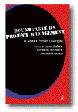 Shaping Projects: A Roundtable on
Best Practices, James Bullock, Gerald M. Weinberg, and Marie Benesh, eds., is a collection of the most powerful and
provocative points of debate from the SHAPE forum at Jerry Weinberg's Web site.
Shaping Projects: A Roundtable on
Best Practices, James Bullock, Gerald M. Weinberg, and Marie Benesh, eds., is a collection of the most powerful and
provocative points of debate from the SHAPE forum at Jerry Weinberg's Web site.
Selected Interviews and Quotes

Four ways to suss out the liars and keep job candidates honestHow to Tell if a Job Candidate Is Lying to You, by Geoff Williams. Hiring the best employees for your small business is critical to your success. Here are 4 ways to suss out the liars and keep job candidates honest. American Express Open Forum, October 16, 2014. Download in Acrobat format.

How to spot the warning signs and change your waysDo You Recognize the Signs That You're a Bullying Boss?, by Adam Stone. Here's how to recognize bully tendencies in yourself and what to do about it. NFIB.com, October 29, 2013. Download in Acrobat format.

Small Business Resources for the EntrepreneurProtect the Investment in Your Most Valuable Resource (Your People!), by Michael Mcdermott. The easiest way for businesses to find employees with just the skills they need is to poach them from other businesses that have already spent considerable time, money, and resources developing them. Inc.com, August 16, 2011. Download in Acrobat format.

Is Access to Sick Days Color-Coded?, by Michael O'Brien. New research finds that access to paid sick leave is significantly rarer among Hispanic and black employees. Can HR help bring balance to the equation? Human Resources Executive Online, April 12, 2011. Download in Acrobat format.

Quick and Easy IT Productivity Wins. Eight ways to help speed progress on critical IT projects and make your department look good InfoWorld.com, March 21, 2011. Download in Acrobat format. This article is a republication of an article that originally appeared at Computerworld.com.

A midsize business communityQuick and Easy IT Productivity Wins, by Dan Tynan. Big tech projects can provide huge long-term payoffs in IT efficiency, but sometimes it's the little things that have the biggest impact on productivity. After all, it's often those details -- meetings, email, menial tasks -- that keep you from from tackling the important issues right away. InfoBoom, March 21, 2011. Download in Acrobat format. This article is a republication of an article that originally appeared at Computerworld.com.

Quick and easy productivity wins for IT, by Dan Tynan. Big tech projects can provide huge long-term payoffs in IT efficiency, but sometimes it's the little things that have the biggest impact on productivity. After all, it's often those details -- meetings, email, menial tasks -- that keep you from from tackling the important issues right away. Computerworld.com, March 21, 2011. Download in Acrobat format. This article also appeared in InfoBoom on March 21, 2011; and at InfoWorld.com on March 21, 2011.

A Fuller Spectrum of NewsWhere 'omg, u look gr8' can land you in court, by Kiri Blakeley. The new sexual harassment is much more subtle, and harder to confront msnbc.com, August 11, 2009. Download in Acrobat format. This article is a republication of an article that originally appeared at Forbes.com.

Home Page for the World's Business LeadersThe 'New' Sexual Harassment, by Kiri Blakeley. Sexual harassment isn't about being chased around the desk anymore. It's about flirtation, subtle power plays, retaliation and, of course, text messages. Forbes.com, August 6, 2009. Download in Acrobat format. This article also appeared at msnbc.com on August 11, 2009.

Slow economy gives some managers excuse to bully workers, by Brian J. O'Connor. The swine flu panic is over, but an epidemic of some really piggish behavior is already infecting the office, where the bad economy is turning bosses into bullies. Detroit News, May 7, 2009. Download in Acrobat format.

Linux News and Information from Around the WorldThe Dark Side of Crowdsourcing, by Erika Morphy. Crowdsourcing has been touted as an efficient and inexpensive business practice, but can it really be a win-win proposition? LinuxInsider.com, April 24, 2009. Download in Acrobat format.

The online community for IT project managersRedefining Stakeholder Roles, by Bob Weinstein. A cost-cutting, tense economy has changed every aspect of project management, affecting all the important participants -- especially stakeholders. GanttHead.com, March 23, 2009. Download in Acrobat format.

Executive recruiting: Work culture best selling point, by Jennifer LeClaire. The most critical challenge facing America's chief executives and their organizations is finding and retaining the best talent, particularly in top leadership positions. Boston Business Journal, December 28, 2007. Download in Acrobat format.

Talking politics in the office is a bad idea. During the political season, what should you watch out for in office conversations? The New York Daily News, October 21, 2008. Download in Acrobat format.

The Wall Street Journal Executive Career SiteParental Pull: How to Prepare for an Elder-Care Emergency, by Sue Shellenbarger. Many employees now face the need to plan for the unplannable events that arise when caring for frail aged parents. CareerJournal.com, September 10, 2008. Download in Acrobat format. This article is a republication of an article that originally appeared in The Wall Street Journal.

Parental Pull: How to Prepare for an Elder-Care Emergency, by Sue Shellenbarger. Many employees now face the need to plan for the unplannable events that arise when caring for frail aged parents. The Wall Street Journal, September 10, 2008. Download in Acrobat format. This article also appeared at CareerJournal.com on September 10, 2008.

Resolving Workplace Conflicts: Mediation can help you make the best of a bad work environment, by Richard Berman. If you're in a challenging work environment with lots of toxic conflcit, telling your boss off and hitting the road might feel good but in today's uncertain economy there's no guarantee that there will be another job waiting for you. San Francisco Chronicle, July 6, 2008. Download in Acrobat format.

Whatever You Say, Boss, by Vickie Elmer. If you have one of those bosses who talks all the time, you probably can't just say, "shut up and listen," much as you might like that. The Washington Post, June 26, 2008. Download in Acrobat format.

The Journal of the International Association of Assembly ManagersWhen Extreme Weather Strikes, by Amy E. Lemen. A little bit of rain never hurt anyone, so the saying goes — but what if the weather turns dangerous at an event where hundreds, perhaps thousands, are in attendance? That's one responsibility that venue and event managers take extremely seriously. Venue Safety and Security, Summer, 2007.
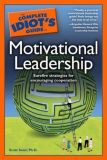
Surefire strategies for encouraging cooperationThe Complete Idiot's Guide to Motivational Leadership, by Robert Snair. The book shows you how to be the kind of leader who can open the path to success for yourself and your team in any goal-oriented situation. (cover text) Alpha, November 6, 2007.

Celebrating America's Multi-Tasking WomenApproaching Your Boss on a Sensitive Subject, by Diana Bocco. If the subject is not time-sensitive, give yourself some time to think about it. Consider your options and don't do anything until you're sure about the right thing to say. 100 Hats, August 10, 2007.

News, Strategies and Resources for Senior HR ExecutivesWhen the Boss Talks Politics , by Scott Flander. When bosses talk about their political preferences around subordinates, it isn't as harmless as it might seem -- it can hurt a company's bottom line. HR Executive Online, August 7, 2007. Download in Acrobat format.

Oldest continuously published daily in the USNow's the Time To Plot For a Promotion, by Virginia Backaitis. It may seem too early to hit your boss up for a promotion, but now is the time. New York Post, March 5, 2007.

Offering Select IT and Business ResearchProject Management Best Practices, by Jeff Merron. Top tips to ensure your projects meet expectations. InfoEdge, January 15, 2007.
Ovulating? Depressed? What Not to Talk About at Work, by Sue Shellenbarger . In an era when almost anything goes, are any topics still taboo at work? The Wall Street Journal, July 21, 2005. Download in Acrobat format. This article also appeared at CareerJournal.com on July 22, 2005; in The Detroit News on July 25, 2005; and in the Chicago Sun-Times on July 27, 2005.

Employee makeover, by Lisa Radke. In many ways, companies are similar to high school. There are certain cliques, inside jokes and even office nerds. Though talk of nerds may conjure up images of taped glasses and pocket protectors, those nerdy characteristics could be prevalent in your office. Newsday, June 11, 2006. Download in Acrobat format.

In-depth coverage and evaluation of IT products for technology expertsDumping your technology vendor? Let reason prevail, by Dan Tynan. When it's time to move on, be sure you're parting for the right reasons. InfoWorld, April 27, 2006. Download in Acrobat format.

The latest on cancer research funding, legislation, policy issues, drug development, and people in the newsVon Eschenbach's NCI 'Farewell Reception,' Gift Solicitation, Raises Legal And Ethical Issues, by Kirsten Boyd Goldberg and Paul Goldberg. A Òfarewell receptionÓ planned in honor of NCI Director Andrew von Eschenbach raises legal and ethical concerns, lawyers say. The Cancer Letter, May 1, 2006. Download in Acrobat format.

How to douse the fuse when the political talk heats up, by Kristin Dizon and Paul Nyhan. Seattle Post-Intelligencer, October 30, 2004. Download in Acrobat format.
Chemistry is the key to a working partnership, by Joyce Pellino Crane. Respect, humor, and passion for the job can build successful working partnerships. The Boston Globe, October 12, 2005. Download in Acrobat format.

Founded by Joseph Pulitzer in 1878Managing conflict: first, know it's inevitable, by Repps Hudson. St. Louis Post-Dispatch, October 31, 2005. Download in Acrobat format.

A publication of the Project Management InstituteGrowing Up, by Peter Fretty. Sometimes the best way to spark growth in the organization is to shake up the portfolio. PM Netork, June 1, 2006. Download in Acrobat format.
In-depth coverage and evaluation of IT products for technology experts12 quick IT productivity wins, by Dan Tynan. Already lapsed on your New Year's resolutions? It's not too late. These quick IT fixes will make you and your department look good. InfoWorld, February 5, 2007. Download in Acrobat format.

The magazine of the
Illinois CPA SocietyChange Culture, by Sheryl Nance-Nash. Opening closed minds can stimulate change and help create a constructive corporate culture. Insight Magazine, September 1, 2006. Download in Acrobat format.

The weekly source for radiology professionalsThe Devil Wears Scrubs: How to deal with inept bosses, by Leah R. Troiano. Ineptness comes in many flavors. The most common types of inept bosses are: the unfit, the corrupt and the inexperienced. RT Image, August 21, 2006. Download in Acrobat format.

Enterprise news and reviews5 Dampers on IT Worker Confidence , by Deborah Rothberg . For the fourth month in a row, technology professionals have felt more confident in their jobs than the U.S. workforce at large, according to the Hudson Employment Index for IT Workers released July 5. eWeek, July 7, 2006. Download in Acrobat format.

Enlightening readers by describing the world beyond their everyday horizonsThe Workplace: Criticizing your boss: A survivor's guide, by Matt Villano. You and your colleagues have concluded that your supervisor is incompetent. How do you lobby for his removal without damaging your own career? International Herald Tribune, June 27, 2006. This article is a republication of an article that originally appeared in The New York Times.

All the News that's Fit to PrintCareer Couch: The Perils of an Office Coup, by Matt Vilano. You and your colleagues have concluded that your supervisor is incompetent. How do you lobby for his removal without damaging your own career? The New York Times, June 25, 2006. Download in Acrobat format. This article also appeared in the International Herald Tribune on June 27, 2006.
In-depth coverage and evaluation of IT products for technology expertsHow to Divorce Your Vendor, by Dan Tynan. Untying the knot can open up a world of pain and regret — unless you follow a few simple rules. InfoWorld, June 1, 2006. Download in Acrobat format.

Getting it done among multitaskers, by Mildred L. Culp. Have you ever worked on a project where a multitasker seemed to be in another orbit, oblivious to your need for project completion? Whether the person was your co-worker, consulting client, supervisee or boss, you may have been climbing the walls. The San Bernardino Sun, May 14, 2006. Download in Acrobat format.
All the News that's Fit to PrintCareer Couch: Sticky Fingers in the Supply Closet, by Matt Villano. The office supply cabinet at work overflows with pens and Post-it notes, and you figure that nobody will notice if you take some extra stuff. At what point does stocking up become stealing? The New York Times, April 30, 2006. Download in Acrobat format.

Life, Printed DailyCreative Workplace Happier Workers, by Dave Simanoff. About the benefits that good architecture and interior design can bring to the workplace. The Tampa Tribune, April 18, 2006. Download in Acrobat format.

Bringing business to the Blue Ridge region of VirginiaIt's best to avoid hot topics at work, by Donna Dilley. There's an old expression that says that pig farming is a better topic of conversation than politics or religion. In the workplace, many believe political discussions can create obstacles that make harmonious cooperation more difficult. Blue Ridge Business Journal, October 31, 2005. Download in Acrobat format.

The largest daily in Washington state and the largest Sunday newspaper in the NorthwestMiers' gushing notes to Bush put currying favor in the spotlight, by Robin Abcarian, the LA Times. Move over Eddie Haskell. Harriet Miers could teach you a thing or two about sucking up. The Seattle Times, October 26, 2005. Download in Acrobat format. This article is a republication of an article that originally appeared in the Los Angeles Times.

The timeless art of flattery, by Robin Abcarian, the LA Times. Harriet Miers. Eddie Haskell. Your co-workers. They've all indulged in currying favor with higher-ups. The Baltimore Sun, October 24, 2005. This article is a republication of an article that originally appeared in the Los Angeles Times.

The timeless art of flattery, by Robin Abcarian. Harriet Miers. Eddie Haskell. Your co-workers. They've all indulged in currying favor with higher-ups. But the payoff isn't always clear -- unless you live in Los Angeles or Washington, where there seems to be no such thing as inappropriate fawning. Los Angeles Times, October 21, 2005. Download in Acrobat format. This article also appeared in The Baltimore Sun on October 24, 2005; and in The Seattle Times on October 26, 2005.
Keep venting about job woes to family under control, by Maggie Jackson. We often bring home more than a paycheck and a laptop from the office. We cross the front door loaded with emotional baggage that we expect and need to share with spouses and other family members. Done wrong, however, this sharing can become toxic. The Boston Globe, September 11, 2005. Download in Acrobat format.

One of the 10 largest daily newspapers in the United StatesOvulating? Depressed? What Not to Talk About at Work, by Sue Shellenbarger / Wall Street Journal. In an era when almost anything goes, are any topics still taboo at work? Chicago Sun-Times, July 27, 2005. Download in Acrobat format. This article is a republication of an article that originally appeared in The Wall Street Journal.

Some water cooler talk still is treated as taboo, by Sue Shellenbarger / Wall Street Journal. At a time when just about anything goes, certain topics are still a little too hot to handle. The Detroit News, July 25, 2005. Download in Acrobat format. This article is a republication of an article that originally appeared in The Wall Street Journal.
The Wall Street Journal Executive Career SiteOvulating? Depressed? What Not to Talk About at Work, by Sue Shellenbarger . In an era when almost anything goes, are any topics still taboo at work? CareerJournal.com, July 22, 2005. Download in Acrobat format. This article is a republication of an article that originally appeared in The Wall Street Journal.
A studied effort to gain mastery over meetings, by Rick Brenner. Like you, I've attended way too many meetings. After a while, you pretty much know where things are about to go. The Boston Globe, July 3, 2005. Download in Acrobat format.

An information resource that acts as a catalyst, raises questions, and promotes healty debateGO TEAM! Team Building Matures as Management Pursues Productivity, by John Nemo . What is team building? Or more important, what is effective team building? Effect Magazine, July, 2005. Download in Acrobat format.

The Voice of IT ManagementHow to divorce your vendor, by Dan Tynan. Untying the knot can open up a world of pain and regret — unless you follow a few simple rules. Computerworld, May 17, 2005. Download in Acrobat format.

Providing relevant insights to senior financial executives around the worldThe Big Sleep, by John Edwards. With the economy on the upswing, business managers look to revive IT projects. It's not always easy. CFO Magazine, April, 2004. Download in Acrobat format.

Every leader's answer to inspiring employees to strive for excellenceFour things youcan do to get workers to tell you the truth. A monthly newsletter of Feature Articles, One-Minute Ideas, Anecdotes, Quotes, Statistics, and Humor and Trivia. Motivational Manager, June 1, 2002. Download in Acrobat format.
Follow Rick


Send an email message to a friend
rbrenIyeJIiAfnGdKlUXrner@ChacsxirZwZlENmHUNHioCanyon.comSend a message to Rick
A Tip A Day feed
Point Lookout weekly feed
 My blog, Technical Debt for Policymakers, offers
resources, insights, and conversations of interest to policymakers who are concerned with managing
technical debt within their organizations. Get the millstone of technical debt off the neck of your
organization!
My blog, Technical Debt for Policymakers, offers
resources, insights, and conversations of interest to policymakers who are concerned with managing
technical debt within their organizations. Get the millstone of technical debt off the neck of your
organization!Point Lookout by
starting your Amazon search here

 Join the Office Politics, Workplace Politics and Organizational
Politics discussion group at LinkedIn.com, the premier professional
networking Web site.
Join the Office Politics, Workplace Politics and Organizational
Politics discussion group at LinkedIn.com, the premier professional
networking Web site. So buried in email that you don't even have time to delete your spam? Learn how to make
peace with your inbox.Are your project teams plagued by turnover, burnout, and high defect rates? Turn your culture around.Learn how to make meetings more productive — and more rare.Is every other day a tense, anxious, angry misery as you watch people around you, who couldn't even
think their way through a game of Jacks, win at workplace politics and steal the credit and glory
for just about everyone's best work including yours? Read 303 Secrets of Workplace Politics!
So buried in email that you don't even have time to delete your spam? Learn how to make
peace with your inbox.Are your project teams plagued by turnover, burnout, and high defect rates? Turn your culture around.Learn how to make meetings more productive — and more rare.Is every other day a tense, anxious, angry misery as you watch people around you, who couldn't even
think their way through a game of Jacks, win at workplace politics and steal the credit and glory
for just about everyone's best work including yours? Read 303 Secrets of Workplace Politics!- "Rick is a dynamic presenter who thinks on his feet to keep the material relevant to the
group."
— Tina L. Lawson, Technical Project Manager, BankOne (now J.P. Morgan Chase) - "Rick truly has his finger on the pulse of teams and their communication."
— Mark Middleton, Team Lead, SERS
Bad boss, long commute, troubling ethical questions, hateful colleague? Learn what we can do when we
love the work but not the job.